Introduction
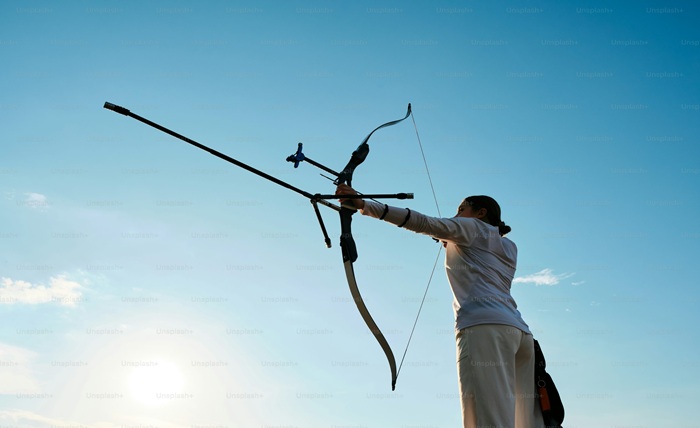
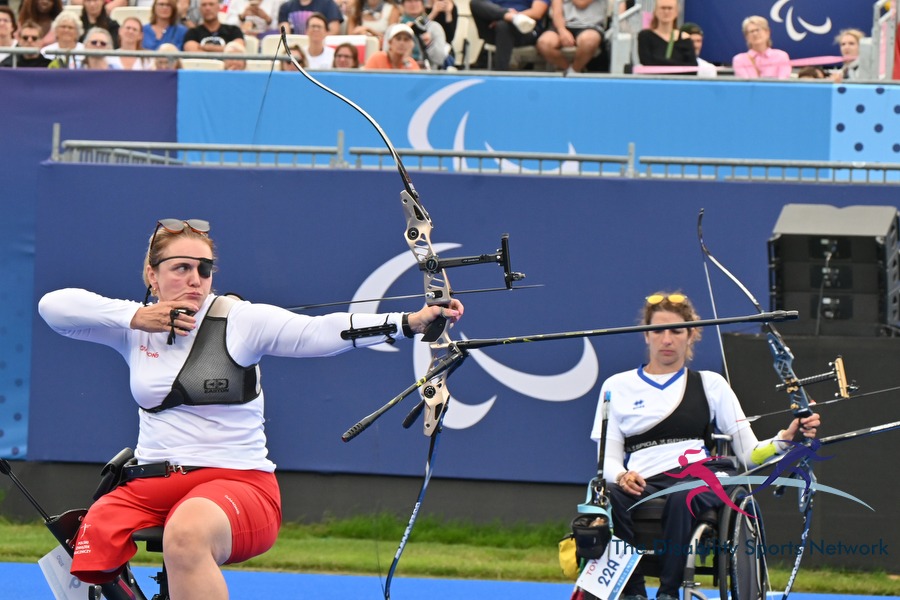
The Paralympic Games are a symbol of human excellence, tenacity, and resolve. Among the numerous sports that are showcased, archery at the Paralympics is one that emphasizes both physical prowess and mental concentration. In addition to striking a target, Paralympic archery aims to redefine possibilities, overcome obstacles, and display elite physical ability. Athletes in this sport work relentlessly to hone their skills while motivating millions of people worldwide. It is just as exciting and competitive as its Olympic cousin.
This blog examines the Archery Paralympics’ past, regulations, athlete classifications, training regimens, legendary athletes, and prospects.
The History of Archery in the Paralympics
Since its inception, archery has been a part of the Paralympic movement. The first modern Paralympic Games were held in Rome in 1960, where the sport was originally introduced. Archery was first offered as a rehabilitation exercise for those with spinal cord injuries, but it soon became well-liked as a competitive sport.
The sport’s equipment, classifications, and competition regulations changed over the years. Athletes from all over the world compete professionally in the Archery Paralympics these days. With competitions in both individual and team formats, the sport has grown to include both men’s and women’s events.
Rules and Format of Archery Paralympics
World Archery, the sport’s international regulatory organization, sets the regulations for Paralympic archery, with modifications made to guarantee inclusivity.
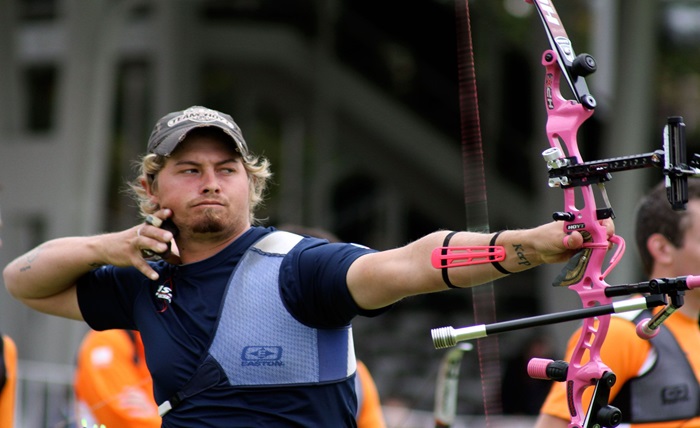
Equipment: Depending on their classification, athletes compete with either a compound bow or a recurve bow. Individual needs may be accommodated through the use of adaptable devices and modifications.
Events: Men’s, women’s, and mixed team competitions are held for athletes. Included are the two types of bows: compound and recurve.
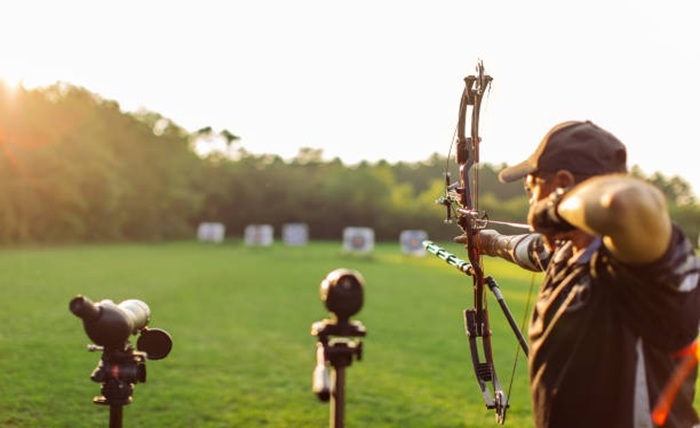
Target and Distance: Depending on the event, the target face’s diameter can range from 122 cm to 80 cm. For recurve and compound archers, the standard competition distance is 70 and 50 meters, respectively.
Scoring: Points are given to each arrow according to how near the center of the target it lands; the bullseye receives ten points. A best-of-set or cumulative score method is frequently used to settle matches.
Match Format: Head-to-head knockouts in individual bouts create anticipation as competitors move on to the finals via elimination rounds.
This arrangement guarantees that the Archery Paralympics remain both competitive and accessible, providing athletes with disabilities an exciting and equitable opportunity to demonstrate their abilities.
Athlete Classifications in Paralympic Archery
Fair classification, which guarantees that athletes compete on an equitable playing field, is one of the most crucial elements of Paralympic sports. There are three main categories in archery:
W1 Class: Athletes with impairments affecting both their upper and lower limbs. They are permitted to use compound or recurve bows, though equipment customization is limited.
Open Class: Archers who can use compound or ordinary recurve bows and have fewer severe disabilities.
Visually Impaired Archery: Despite not being a Paralympic sport yet, visually impaired competitors play in distinct global tournaments using help and tactile sights.
This approach guarantees fair competition, where athletes’ strengths are emphasized rather than overshadowed by their limitations, keeping Paralympic archery a sport of balance and inclusivity.
Training and Preparation of Paralympic Archers
The rigorous training required for Paralympic archery combines technical proficiency, mental toughness, and physical conditioning. Innumerable hours are spent by athletes striving for accuracy and consistency.
Physical Training: For competitors using wheelchairs or other adaptive equipment, core strength, stability, and upper body training are essential.
Technical Skills: Repeated practice in various settings is necessary to perfect release, stance, and aim. Custom training is frequently needed for adaptive equipment.
Mental Focus: The mind and body are equally important in archery. Athletes can maintain composure under pressure by practicing visualization, breathing techniques, and concentration exercises.
Coaching and Support: To maximize performance, Paralympians frequently train with professional coaches, physiotherapists, and sports psychologists.
These efforts underline that competitors in Paralympic archery are elite professionals who train with the same intensity and dedication as Olympic athletes.
Inspirational Paralympic Archers
Millions are inspired by the stories of the many athletes who have competed in the Archery Paralympics:
Zahra Nemati (Iran): A former taekwondo athlete who suffered a paraplegic injury in an accident, she made history at the 2012 London Paralympics by taking home the gold in the women’s individual recurve. Later, she competed in both the Olympic and Paralympic Games, establishing herself as a symbol of resilience.
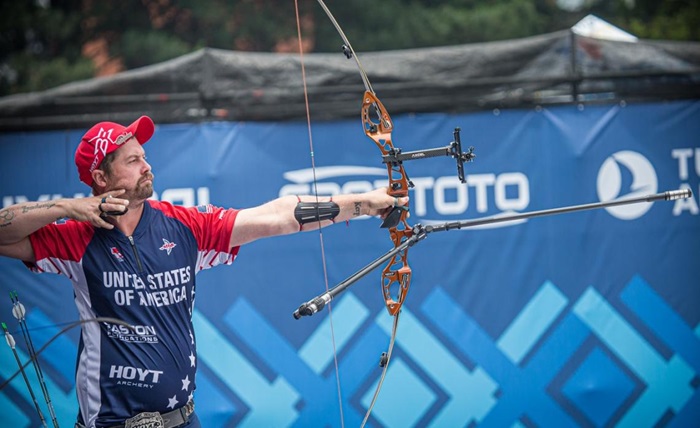
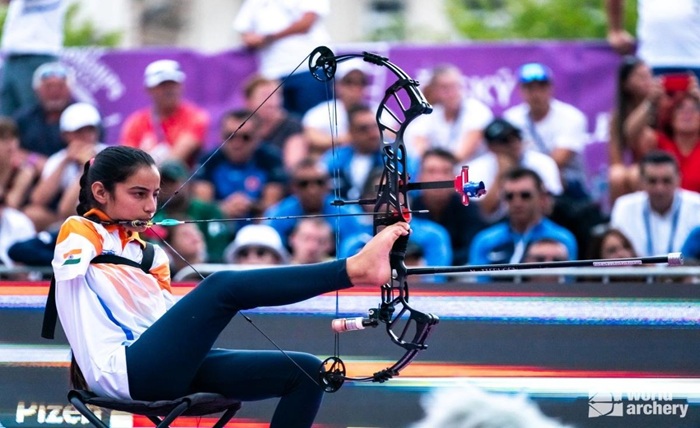
Matt Stutzman (USA): Known as the “Armless Archer,” Stutzman was born without arms and shoots remarkably accurately with his legs and feet. He holds the Guinness World Record for the longest accurate archery shot and earned silver at the 2012 London Paralympics.
David Drahoninsky (Czech Republic): A wheelchair-bound athlete who won gold at the 2008 Beijing Paralympics and remains a strong figure in compound archery.
These athletes prove that the Archery Paralympics are about more than just sport—they celebrate character, ingenuity, and determination.
The Global Impact of Archery Paralympics
Beyond the stadium, the Archery Paralympics inspire communities around the world. Their impact can be seen in multiple ways:
Representation: They challenge myths about physical limitations by highlighting the excellence of athletes with disabilities.
Innovation: Adaptive technologies developed for Paralympic archery often inspire broader advancements in assistive devices.
Inclusivity in Sports: Archery encourages participation at both recreational and competitive levels, proving that the sport is for everyone.
Cultural Influence: Stories of Paralympic archers frequently inspire films, documentaries, and awareness campaigns that showcase resilience and courage.
In this way, the Archery Paralympics serve as a force for social change, showing the world what perseverance truly looks like.
The Future of Paralympic Archery
The future of the Archery Paralympics looks bright. With advancements in adaptive technology, increased global funding, and growing awareness, the sport is set to flourish further.
Technology: Innovations like tactile aiming systems and electronic release aids will make participation more inclusive.
Global Participation: Developing nations are investing in Paralympic sports, expanding the talent pool.
Media Coverage: As visibility grows, the sport and its athletes will receive the recognition they deserve.
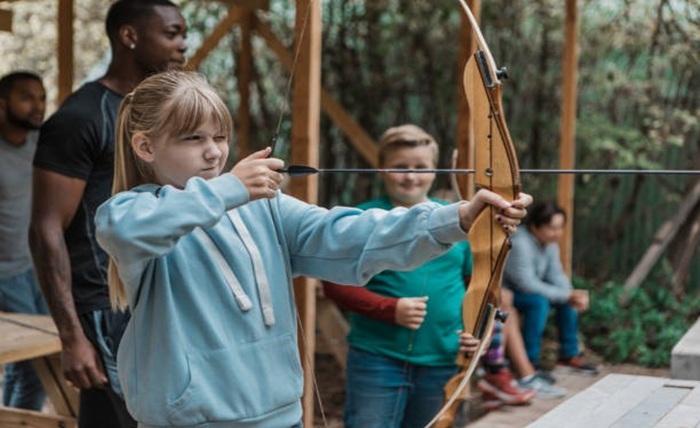
Youth Development: Initiatives encouraging young archers with disabilities will ensure future generations thrive in the Paralympic Games.
This evolution promises that the Archery Paralympics will remain competitive, inspiring, and widely celebrated for years to come.
Conclusion
The Archery Paralympics are more than a sporting event—they are a celebration of willpower, accuracy, and the human spirit. From their origins as a rehabilitation exercise to their current place as a premier competitive sport, they have become a global symbol of excellence and inclusivity.
Through fair classifications, rigorous training, and the inspiring achievements of athletes like Zahra Nemati, Matt Stutzman, and David Drahoninsky, the Archery Paralympics prove that disability is not a limitation but a new way of demonstrating greatness.
As the Paralympic movement continues to expand, the Archery Paralympics will remain at its heart, showing the world that with determination and skill, no target is out of reach.