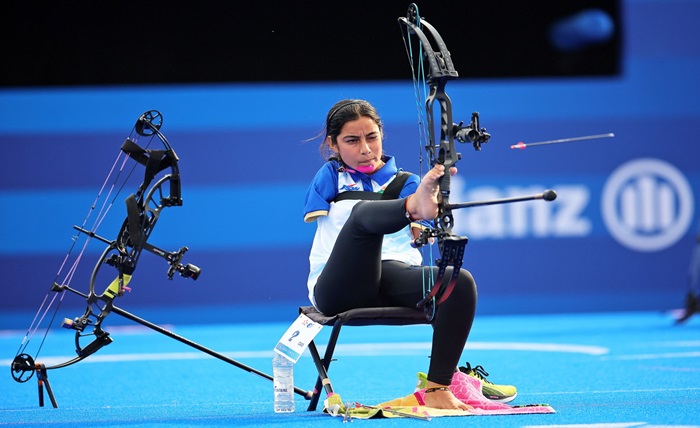
The Paralympics serve as a global platform for athletes with disabilities to showcase their exceptional abilities. Among the various sports, Paralympic Archery is unique because it combines mental toughness, physical strength, attention to detail, and accuracy. Paralympic archers demonstrate that passion and perseverance can overcome physical challenges, defying expectations at the highest level of competition. This blog explores the world of Paralympic Archery, including its history, classifications, rules, techniques, and inspiring stories of athletes who have made a lasting impact on the sport.
History of Archery in the Paralympics
Archery has a long and fascinating history as both a method of hunting and a sport. In the modern era, it evolved into a competitive activity, and by the 1960s, it began to establish itself in adaptive sports for people with disabilities. Archery was one of the first sports featured at the 1960 Rome Paralympic Games, marking its debut as a platform for athletes to compete internationally.
Since then, Paralympics Archery has grown significantly. Modern archers use advanced bows and adaptive technologies, allowing athletes to perform at the highest level. Stories of perseverance and exceptional talent continue to inspire audiences worldwide, highlighting the sport’s ability to transcend physical limitations.
Classification in Paralympic Archery
Paralympics Archery is inclusive, accommodating athletes with a variety of physical disabilities. A classification system ensures fair competition by grouping athletes according to functional ability. The main categories include:
-
W1 Category: Athletes with impairments in all four limbs, usually requiring a wheelchair. They may use modified recurve or compound bows to assist with drawing and stability.
-
Open Category: Athletes with lower limb impairments or other disabilities that allow greater mobility. This category includes standing and wheelchair events.
By organizing competitors in this way, Paralympics Archery emphasizes skill and strategy rather than physical ability, ensuring an equitable playing field for all participants.
Rules and Equipment
The rules for Paralympics Archery are similar to Olympic archery, with adaptations for accessibility. Competitors shoot arrows at targets from distances of 30, 50, or 70 meters, depending on the category. Each target consists of ten concentric rings, with the center referred to as the bullseye, or “gold,” which carries the highest point value.
Equipment is tailored to each athlete’s needs. Bows may feature stabilizers, mechanical releases, and assistive devices for drawing and aiming. Wheelchairs are designed for stability without restricting mobility, and athletes often use specialized gloves or armguards to enhance precision. The combination of adaptive equipment and skill allows Paralympics Archery competitors to achieve extraordinary accuracy.
Techniques and Training
Success in Paralympics Archery requires mental focus, physical control, and patience. Training is rigorous and includes exercises to strengthen the upper body, improve flexibility, and enhance hand-eye coordination. Mental preparation is equally vital, as archers must remain composed under pressure and adapt to environmental factors such as wind or lighting.
Key techniques include:
-
Sight Training: Learning to aim accurately using sights or scopes.
-
Release Practice: Ensuring a smooth and consistent release of the arrow.
-
Stance and Posture: Maintaining proper body alignment for stability and consistency.
Coaches often utilize video analysis and sensors to refine an athlete’s performance, ensuring every movement contributes to accuracy in Paralympic Archery competitions.
Notable Paralympic Archers
Many Paralympic Archery athletes have achieved remarkable success, inspiring people around the world. Some notable competitors include:
-
Michele Pittacolo (Italy): A dominant figure in the W1 classification, renowned for her precision and consistency.
-
Jessica Stretton (UK): A rising star in the recurve category, celebrated for her poise under pressure.
-
Zou Yanfeng (China): A multiple medalist in wheelchair archery, recognized for exceptional focus and technique.
These athletes show that mental toughness and strategic thinking are just as important as physical skill. Their achievements encourage aspiring archers to pursue the sport, proving that determination can overcome obstacles.
Benefits of Paralympic Archery
Participating in Paralympic Archery offers numerous physical, psychological, and social benefits:
-
Physical Fitness: Strengthens upper body muscles, improves posture, and enhances coordination.
-
Mental Focus: Cultivates patience, concentration, and stress management.
-
Social Interaction: Encourages community-building through connections with other athletes.
-
Empowerment: Instills confidence by showing what athletes can accomplish despite physical challenges.
Whether pursued competitively or recreationally, Paralympic Archery provides a fulfilling way to improve fitness, focus, and overall well-being.
Challenges in Paralympic Archery
Despite its inspirational nature, Paralympic Archery presents unique challenges. Access to training facilities and adaptive equipment can be limited, particularly for athletes in remote locations or with financial constraints. International travel may also be difficult for competitors with complex medical needs.
Maintaining focus during high-pressure competitions requires significant mental resilience. Yet, Paralympic archers consistently overcome these obstacles, breaking records and setting new benchmarks for excellence in sports.
The Future of Paralympic Archery
The future of Paralympic Archery is promising. Advances in bow technology, training methods, and athlete support systems continue to enhance performance. Global broadcasting and social media platforms increase visibility, allowing more people to appreciate the skill, resilience, and stories behind each arrow.
Rehabilitation programs and school initiatives are helping to nurture the next generation of Paralympic archers. As more athletes take up the sport, Paralympic Archery is expected to become even more competitive, inclusive, and inspirational.
Conclusion
Paralympic Archery is a remarkable testament to human determination, precision, and adaptability. Its history, adaptive techniques, and exceptional athletes highlight that true excellence is defined by passion, perseverance, and mental fortitude—not just physical ability.
For aspiring archers, sports enthusiasts, or anyone seeking motivation, Paralympic Archery demonstrates the limitless potential of the human spirit. As the sport continues to evolve, it remains a shining example of skill, resilience, and the power of determination to overcome obstacles and achieve greatness.